10 MUST-SEE PLACES IN YOUR LIFETIME — AND WHY THEY MATTER
 THERE'S NO UNIVERSAL TRAVEL LIST. Privilege, taste, timing, and temperament all shape where we go and why. Still, some places transcend trend cycles and bucket-list fatigue. They endure because they shift perspective. These aren't just destinations—they're travel experiences that recalibrate how you see the world. THERE'S NO UNIVERSAL TRAVEL LIST. Privilege, taste, timing, and temperament all shape where we go and why. Still, some places transcend trend cycles and bucket-list fatigue. They endure because they shift perspective. These aren't just destinations—they're travel experiences that recalibrate how you see the world.
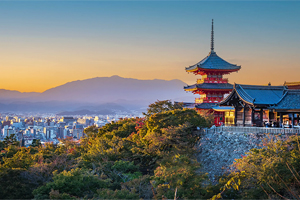 Kyoto, Japan is a masterclass in restraint. Its temples, gardens, and rituals show how beauty can be quiet, deliberate, and deeply lived-in. Nothing here rushes you. The city rewards attention—how moss grows where stone meets shade, how ceremony turns repetition into meaning. Kyoto teaches that elegance isn't about excess, but about knowing when to stop. Kyoto, Japan is a masterclass in restraint. Its temples, gardens, and rituals show how beauty can be quiet, deliberate, and deeply lived-in. Nothing here rushes you. The city rewards attention—how moss grows where stone meets shade, how ceremony turns repetition into meaning. Kyoto teaches that elegance isn't about excess, but about knowing when to stop.
Kyoto's quiet mastery extends beyond temples and gardens. Walking its streets, one notices how small details carry meaning—sliding doors, incense drifting through a corridor, the alignment of a rock garden. Even the mundane becomes deliberate: a tea house lunch, a train ride, a moment on a bridge. Kyoto invites you to slow down and appreciate the subtle choreography of life, teaching that depth often lives in restraint.
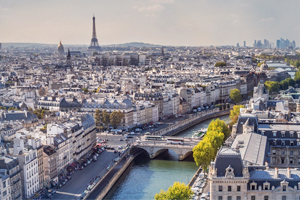 Paris, France earns its obviousness. The city teaches you how to linger—over meals, over ideas, and over moments that don't need to be optimized. Paris insists that pleasure and intellect can coexist, that time spent slowly is not time wasted. It reminds you that living well is a practice, not a performance. Paris, France earns its obviousness. The city teaches you how to linger—over meals, over ideas, and over moments that don't need to be optimized. Paris insists that pleasure and intellect can coexist, that time spent slowly is not time wasted. It reminds you that living well is a practice, not a performance.
Beyond the cafés and boulevards, Paris rewards curiosity in small ways. Watching a painter at work along the Seine, lingering over a single croissant at dawn, or simply reading on a park bench reveals the city's insistence that presence matters. Paris doesn't rush you; it encourages you to inhabit moments fully, to savor the ordinary as much as the monumental.
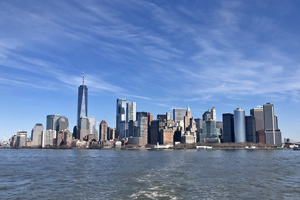 New York City, USA compresses ambition, exhaustion, culture, and reinvention into a relentless but purposeful rhythm. It's chaos with a pulse. The city doesn't promise balance—it demands adaptation. Here, movement is constant, failure is instructional, and reinvention isn't aspirational but necessary. New York City, USA compresses ambition, exhaustion, culture, and reinvention into a relentless but purposeful rhythm. It's chaos with a pulse. The city doesn't promise balance—it demands adaptation. Here, movement is constant, failure is instructional, and reinvention isn't aspirational but necessary.
 The pulse of New York is impossible to ignore. Even a short subway ride teaches you to read the energy of a room, the urgency of strangers, the rhythm of streets. It's a place where improvisation isn't optional; it's survival. Yet amidst the chaos, small pockets of stillness—a quiet café, a hidden garden, a sunset over the skyline—remind you that even here, balance exists in fragments, discovered only if you look. The pulse of New York is impossible to ignore. Even a short subway ride teaches you to read the energy of a room, the urgency of strangers, the rhythm of streets. It's a place where improvisation isn't optional; it's survival. Yet amidst the chaos, small pockets of stillness—a quiet café, a hidden garden, a sunset over the skyline—remind you that even here, balance exists in fragments, discovered only if you look.
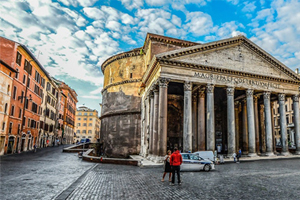 Rome, Italy reminds you that history isn't preserved—it's piled on top of itself. Civilizations rise and fall, but life continues, loudly and deliciously. Ancient ruins coexist with scooters, laundry lines, and late dinners. Rome makes it clear that the past doesn't disappear; it simply learns to live with the present. Rome, Italy reminds you that history isn't preserved—it's piled on top of itself. Civilizations rise and fall, but life continues, loudly and deliciously. Ancient ruins coexist with scooters, laundry lines, and late dinners. Rome makes it clear that the past doesn't disappear; it simply learns to live with the present.
Rome is a city of layered life, where centuries coexist in real time. A morning espresso next to a ruined wall, children playing near the Pantheon, a Vespa weaving through ancient cobbles—each moment reminds you that life doesn't pause for history. The city encourages curiosity and attentiveness, showing that the past is most alive when it rubs shoulders with the present.
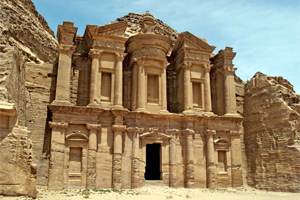 Petra, Jordan humbles with scale and patience. Walking through the Siq and into the Treasury reframes your sense of time and endurance. The slow reveal feels intentional—almost instructional. Petra doesn't impress instantly; it teaches awe through anticipation. Petra, Jordan humbles with scale and patience. Walking through the Siq and into the Treasury reframes your sense of time and endurance. The slow reveal feels intentional—almost instructional. Petra doesn't impress instantly; it teaches awe through anticipation.
 Petra teaches patience through scale and pace. Every step through the Siq, every glance at the Treasury, is measured—there is no instant gratification. The city rewards persistence: the longer you walk, the more layers of wonder reveal themselves. Petra reminds you that awe is earned, not given, and that some places insist you move slowly to truly appreciate them. Petra teaches patience through scale and pace. Every step through the Siq, every glance at the Treasury, is measured—there is no instant gratification. The city rewards persistence: the longer you walk, the more layers of wonder reveal themselves. Petra reminds you that awe is earned, not given, and that some places insist you move slowly to truly appreciate them.
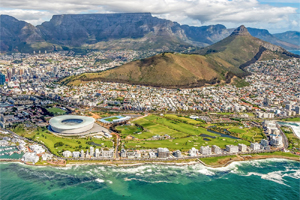 Cape Town, South Africa is full of contrasts—it's got stunning natural beauty, rich culture, and a history that's still very much unresolved. The views are breathtaking, but the city also makes you think harder about what's beneath the surface. It shows that beauty and discomfort can be intertwined in a way that's impossible to ignore. Cape Town, South Africa is full of contrasts—it's got stunning natural beauty, rich culture, and a history that's still very much unresolved. The views are breathtaking, but the city also makes you think harder about what's beneath the surface. It shows that beauty and discomfort can be intertwined in a way that's impossible to ignore.
Cape Town's contrasts are lessons in perspective. Hiking Table Mountain or driving along Chapman's Peak, one is confronted by stunning vistas and the lingering tension of history and inequality. The city teaches you to hold beauty and discomfort together, to be present with contradictions, and to recognize that understanding a place often means looking beneath the surface.
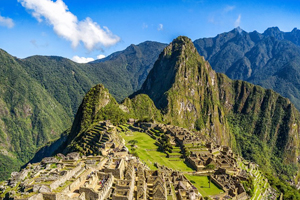 Machu Picchu, Peru remains quietly powerful despite its regulation and crowds. Standing there reduces certainty to something smaller and more human. The altitude, the mist, the stonework—all of it conspires to remind you that ingenuity predates modern confidence. Machu Picchu, Peru remains quietly powerful despite its regulation and crowds. Standing there reduces certainty to something smaller and more human. The altitude, the mist, the stonework—all of it conspires to remind you that ingenuity predates modern confidence.
Standing among the ruins of Machu Picchu is both humbling and clarifying. The altitude sharpens thought; the stonework humbles ambition; the morning mist conceals and reveals. Even regulated paths and crowds can't diminish the sense of ingenuity and human endeavor embedded here. Machu Picchu reduces ego, showing that wonder often exists in proportion to patience and observation.
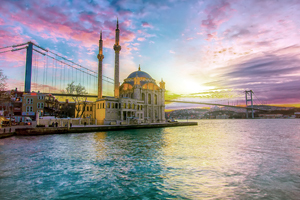 Istanbul, Türkiye refuses singular identity. It exists comfortably in layers, bridging continents without resolving the tension. Mosques, markets, and modern life overlap seamlessly. Istanbul shows that identity doesn't need clarity to be authentic. Istanbul, Türkiye refuses singular identity. It exists comfortably in layers, bridging continents without resolving the tension. Mosques, markets, and modern life overlap seamlessly. Istanbul shows that identity doesn't need clarity to be authentic.
 Istanbul thrives in its contradictions. Crossing from Europe to Asia, passing through mosques, markets, and modern boulevards, you feel the city's layers coexisting without explanation. The overlapping histories, cuisines, and languages demonstrate that identity is complex, flexible, and authentic precisely because it refuses to simplify itself. Istanbul thrives in its contradictions. Crossing from Europe to Asia, passing through mosques, markets, and modern boulevards, you feel the city's layers coexisting without explanation. The overlapping histories, cuisines, and languages demonstrate that identity is complex, flexible, and authentic precisely because it refuses to simplify itself.
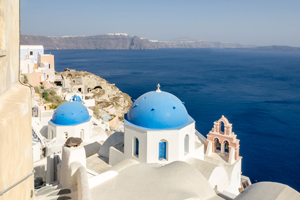 Santorini, Greece proves that sometimes landscape alone can alter mood. Beauty doesn't always need explanation. The light, the cliffs, the sea—they do the work quietly. Santorini reminds you that awe can be simple, and that sometimes, that's enough. Santorini, Greece proves that sometimes landscape alone can alter mood. Beauty doesn't always need explanation. The light, the cliffs, the sea—they do the work quietly. Santorini reminds you that awe can be simple, and that sometimes, that's enough.
Santorini's light and landscape do most of the work. Walking the caldera paths, watching the sun hit whitewashed buildings, or staring at the endless sea reminds you that awe doesn't always require context. The island teaches that sometimes, stillness and observation are enough, and that quiet beauty can be as transformative as history or culture.
 And finally, your ancestral homeland—wherever that may be. It's often uncomfortable, emotional, and unresolved, but nothing reframes belonging like standing where your story began before you existed. And finally, your ancestral homeland—wherever that may be. It's often uncomfortable, emotional, and unresolved, but nothing reframes belonging like standing where your story began before you existed.
This list isn't about completion. You don't collect these places—you let them work on you. Some will overwhelm. Others will disappoint. A few will stay long after the photos stop mattering.
The goal isn't to see everything. It's to really see something. (APJ)
|
